
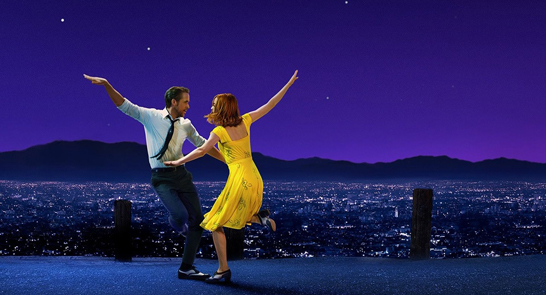
This post contains spoilers for La La Land.
In recent decades, the film genre of original musicals has been dying off. Sure, there are plenty of film adaptations of stage plays like Rent or Hairspray, but actual original musicals are a rarity nowadays.
Although the genre has given us plenty of classics such as Singin’ in the Rain and Mary Poppins, the era of the original movie musical has been over for quite a long time. It’s easy to look back on these films with rose-tinted glasses, but its important to remember that film is constantly changing. Eventually, the era of big blockbuster superhero movies will pass, and make way for something new. It will go the way of the serial, the western, and yes, the original musical.
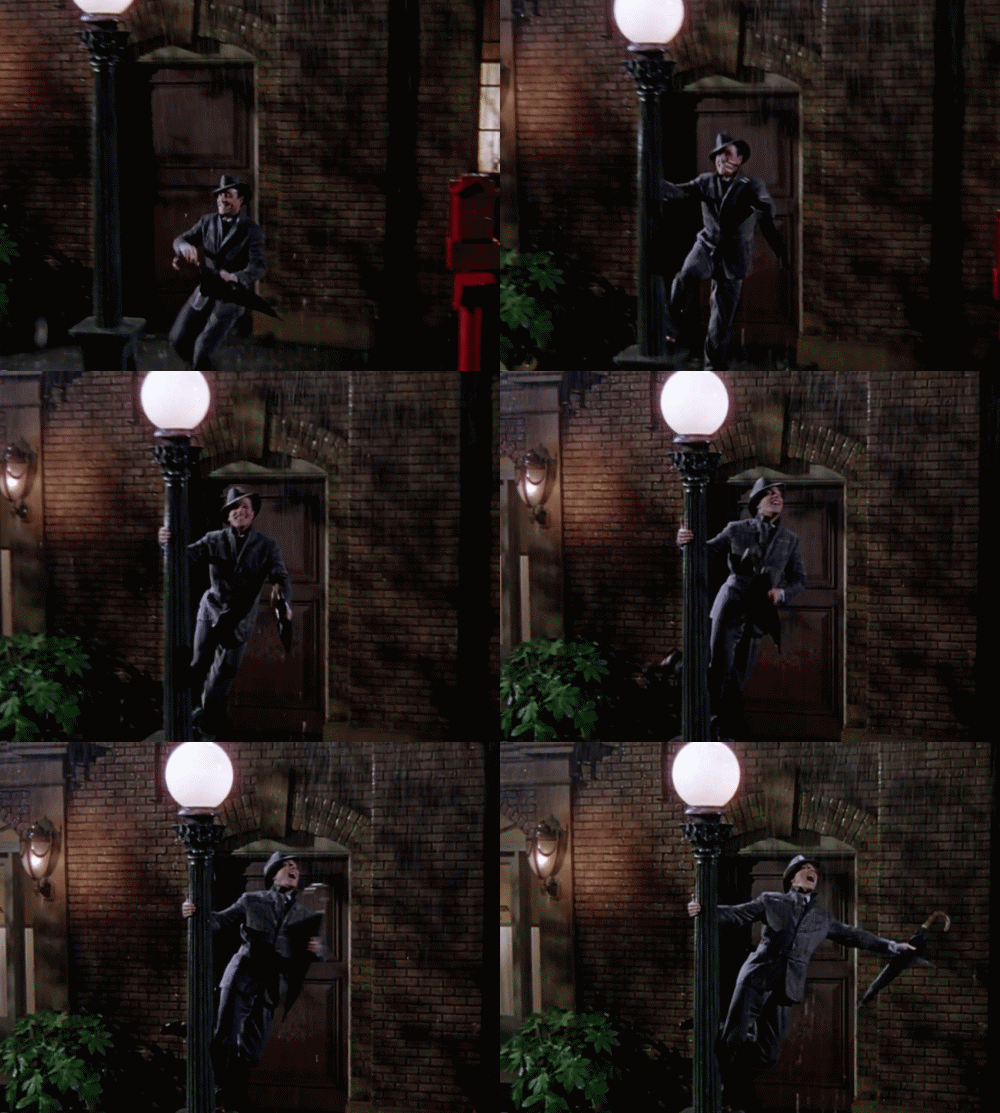
But if we never allowed the past to die, then we would never get anything new or innovative. The original musical died when its time was up, and it lead to the birth of new trends in Hollywood. Film is in a constant revolution, and it needs to consistently evolve in order to remain relevant.
This takes us to what I want to discuss today: 2016’s La La Land.
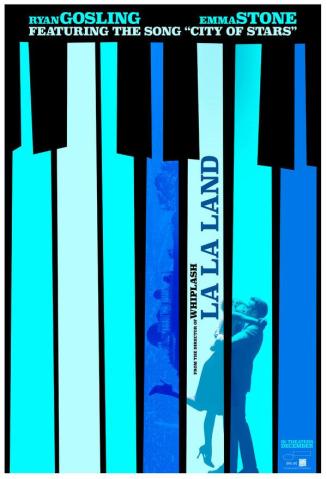
La La Land is an original musical from director Damien Chazelle, and starring Emma Stone and Ryan Gosling. The film marketed itself as a return to the good old days of movie musicals: bright colors, an over sensationalized vision of Hollywood, and of course, big musical numbers.

While the film certainly lives up to these promises, it also does something pretty critical of the genre it lives in: it makes an argument for its own death. I believe that under all the fun songs and great performances, La La Land, at its core, is about how the past always dies, and why we should be happy with it.
“They worship everything and they value nothing.”
-Sebastian, La La Land
La La Land follows Emma Stone’s Mia, a young aspiring actress, and Ryan Gosling’s Sebastian, a down on his luck jazz pianist, living in the heart of Los Angeles trying to follow their dreams as they fall in love with each other.
The character of Sebastian is especially integral to the point of this film: we’re introduced to him as he watches an old historic jazz club get taken down and replaced by a “Tapas and Tunes” restaurant. Sebastian is, to put it lightly, not happy about this. He believes that the city of LA should respect the history of the arts, and maintain the old ways of doing things. To sum up his character, he hates change.
This is most obvious in his obsession with jazz, as can be seen in this scene where he shares his passion and viewpoint with Mia:
(Sorry for the poor video quality, it’s the only video of the scene I could find).
Sebastian’s goal throughout the movie is to “save jazz” by opening his own jazz club. Although Mia supports Seb’s vision, she never really adapts this mentality herself; she just wants Sebastian to do what makes him happy. And if opening a jazz club and playing traditional jazz is what makes him happy, then there’s really nothing wrong with that.
The first half of this film plays out like a classical Hollywood romance: Mia and Sebastian fall in love as they chase their dreams through colorful, romantic montages.
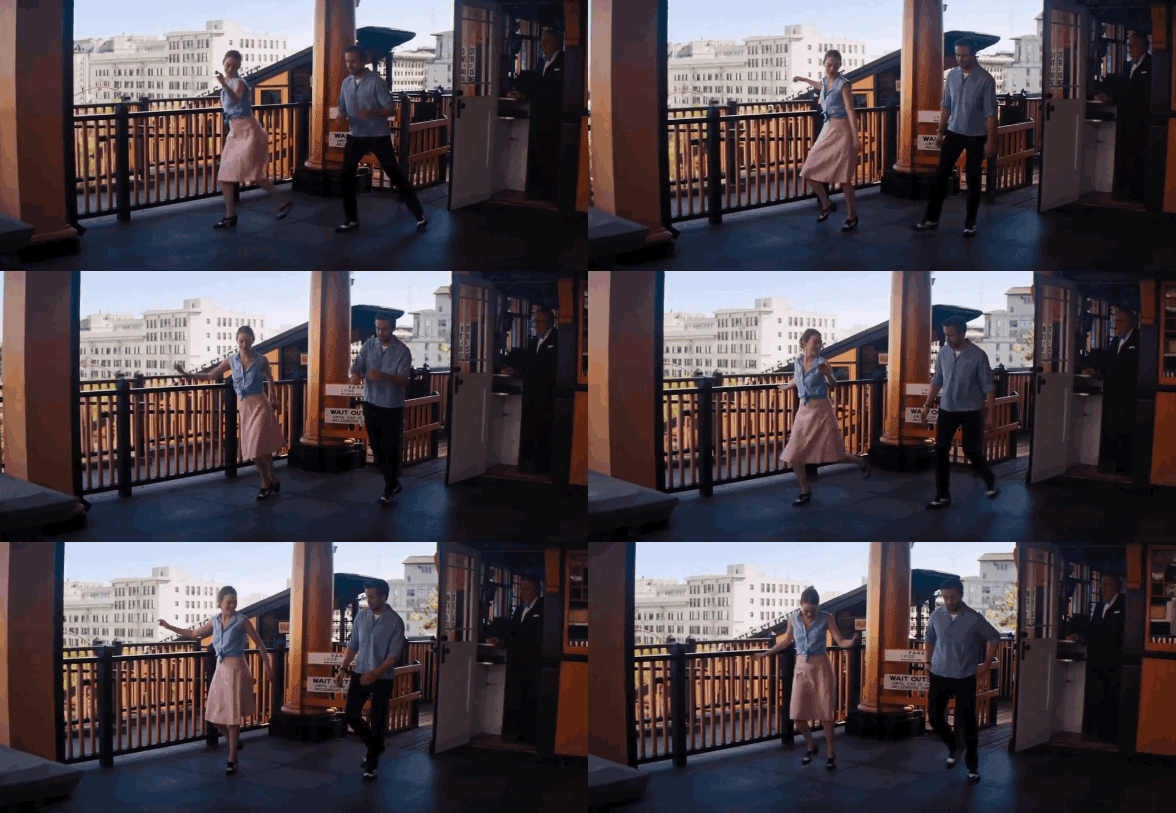
The two find comfort in each other; even though their careers aren’t really working out, they always have their comfortable relationship to help them keep going in life.
However, in the second half of the film, tensions begin to build in their relationship. Sebastian overhears Mia talking to her mother on the phone about how Seb doesn’t have a steady job, but he’s “figuring it out”, convincing him to land a steady gig with a new band that’s infused jazz with pop. Even though this type of music isn’t what Seb wants to play, he goes on tour with the band anyway in order to financially support his relationship, and hopefully one day open up his jazz club.
Although the leader of the band, Keith, played by John Legend, is portrayed more as an antagonist in this film than anything else, he’s ultimately right about jazz in this scene:
Here, Sebastian realizes that in order to be successful, you need to make compromises on what you want to do. Seb may want to play traditional jazz, but the general public does not want traditional jazz. So, in order to gain financial success, Seb compromises and plays a new, experimental jazzy pop.
While this does gain him success, it does put a strain on Mia and Sebastian’s relationship. While Seb is touring the country with his band, Mia is still in LA struggling as an actress. Mia can also tell that Seb is just not happy playing in this band, and eventually, the two break up.
However, just a day after splitting up, Seb gets a call from a casting agent asking for Mia. Seb brings Mia to the audition, and she lands the role. Although through this role she finds great success, Mia and Sebastian stay separated.
The finale of the film is really where the message of letting the past die is made clear. Five years after Mia lands the role, we see her living life happily as a successful actress with a husband and a son. Mia and her husband go on a dinner date, and end up wandering into a jazz club by the restaurant they ate at. Coincidentally, this jazz club ends up being…
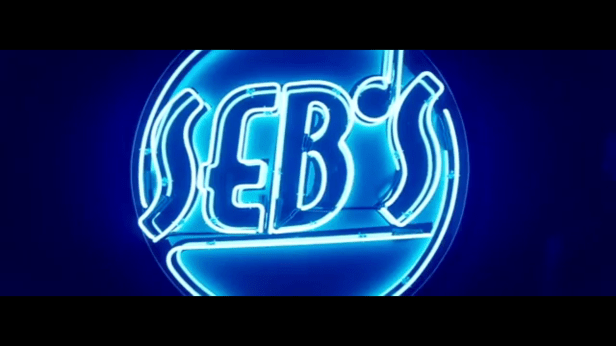
Mia sits down with her husband, and Sebastian takes the stage to greet his audience. He sees Mia sitting in the audience, and begins to play a medley of all the songs we’ve already heard throughout the film. As he plays this song, we see a beautiful montage of the two imagining what life could have been like if they had stayed together.
Although, by the end of the scene, it’s made clear that they couldn’t have stayed together. In this alternate scenario of their romance, Seb never opens his jazz club that he wanted. If the two had stayed a couple, they wouldn’t have achieved all of their dreams.
Even though it’s clear through this montage that they wish there could’ve been a reality where they could’ve stayed together, it’s also clear through that last look they give each other that they’re glad they didn’t.
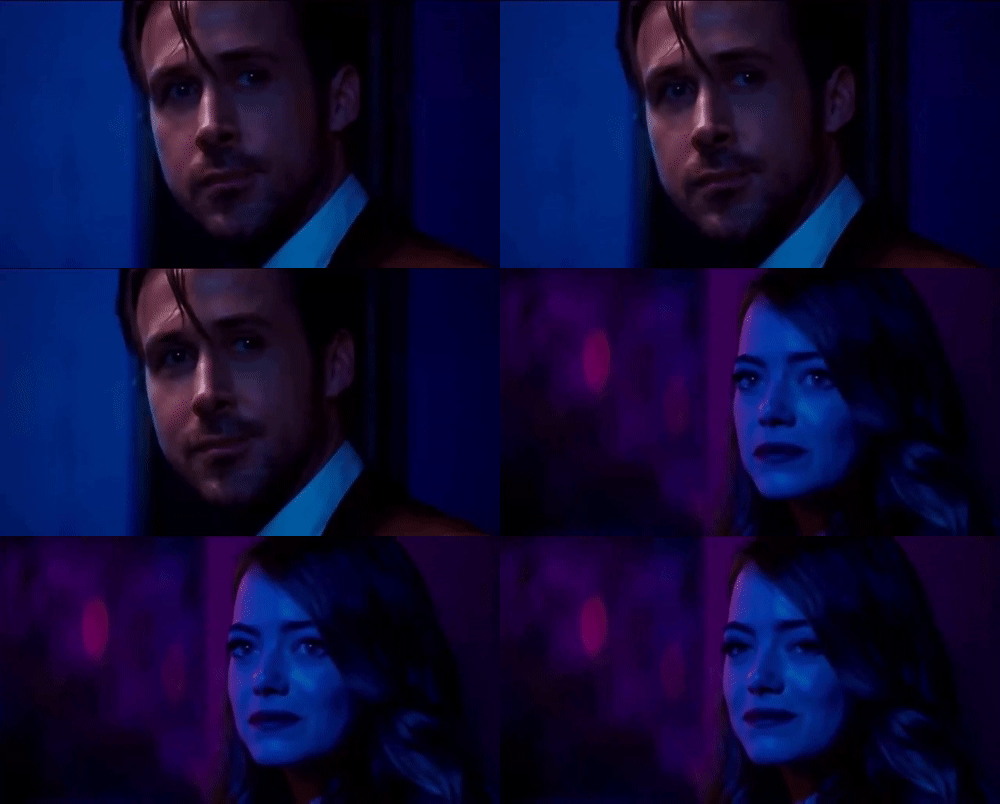
Although Mia and Sebastian still cherish the memories they have with each other, they know that their time together is over, and they’ve both moved on to different paths in their lives. They understand how important it is to let the past die.
This emotional message of the story could also be seen as a sort of “meta commentary” on the original musical genre as well. While we’ve had our fun with films like The Wizard of Oz, maybe it’s time to move on. Like mentioned before, the first half of La La Land plays out like a traditional romantic musical; however, as the film progresses, it inches closer and closer to reality, reminding us that the era of the musical is over. All we can really do about it is let it die.
 Benny's Movies