
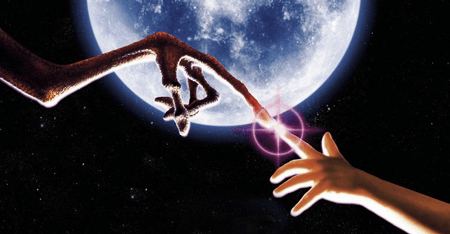
“Art is the closest we can come to understanding how a stranger really feels.”
–Roger Ebert

In today’s world of cynicism, fear, and division, I think a lot of people could really benefit if they just understood each other a little bit.
Roger Ebert, considered one of the greatest film critics of all time, understood this, and knew that one of the best ways for people to understand one another was through art. He knew that when made well, and when all of the pieces matched up perfectly, a film could be a transportive experience, emotionally investing the viewer with a character that they may never have had the opportunity to interact with in real life.
A straight white woman living in rural Kansas could watch Moonlight, a 2016 drama about a gay African-American growing up in Miami, and find ways in which she is similar to the protagonist.

Everyone is different in their own ways, but film reminds us that no matter what color we are, or what sexuality we are, or what our political affiliation is, or where we live in the world, we all have similarities. The viewer and the character could be complete opposites, yet with the power of cinema, the viewer can truly connect to the struggles, emotions, and desires of other people.
In a world of ignorance and differences, film unites us and helps us understand one another.
Roger Ebert passed away at the age of 70 in 2013.
Modern Film Criticism
I’ve been running a YouTube channel for the past few years, and one of my most successful series has been my movie reviews. I really enjoy writing and filming these reviews, as film is something I’m incredibly passionate about, so I always take great pleasure in making content related to it. However, a trend I have noticed not only on my channel but YouTube as a whole, is that a review will typically get a lot more views and attention if it’s about a bad movie.
For example, I made a review about Star Wars: The Force Awakens, a film I and a large majority of people found enjoyable, and only got around 600 views. All the way back in 2014, however, I posted a review of The Adventures of Sharkboy and Lavagirl, a movie that I and most professional critics panned. At the time of writing this blog post, that video has over 620,000 views.
CinemaSins, a YouTube channel dedicated to pointing out plot holes and continuity errors in movies, has over 8 million subscribers. CinemaWins, a direct counter to the aforementioned channel that is dedicated to pointing out all the great things about movies, doesn’t even have a million.
Everything Wrong with Captain America Civil War (CinemaSins)
It’s clear that simply trashing movies and pointing out why they suck gets views, and makes money. And why wouldn’t it? It’s entertaining, and frankly, pretty funny to watch somebody pick apart a movie and talk about why it’s terrible.
However, my fear is that with the rise of channels like CinemaSins, people are now focusing on the wrong things while watching movies: instead of emotionally investing themselves with the characters, people are looking for plot holes. Instead of searching for themes and messages throughout the movie, people are searching for continuity errors or lapses in logic. This type of mentality makes watching films a cold, emotionless experience.
Yes, CinemaSins is correct when they say that “no movie is without a sin”, as no movie is without it’s flaws. But nowadays, it seems uncool to just love a movie, sins and all.
Much of YouTube and Internet film criticism is like this, as in, it’s not really criticism. It’s not about the critic’s opinion, it’s just listing plot holes and cliches, and then using that list as “proof” that the movie is objectively terrible. The huge issue is that movies aren’t made like equations; they’re not math. Movies are an art form, and therefore, the quality of a film can’t be quantified by a list.

My mission for Benny’s Movies is simple: with each post, I want to talk about a movie I love, and why I love it. Instead of focusing on flippant aspects such as “plot holes” and “continuity errors”, I want my reviews to focus more on the emotional experience of watching movies. What did this movie teach me? What emotions did this film make me feel? How did I connect to the characters and story?
I don’t want watching movies to become a cold experience for people. I don’t want people to watch movies with a mental checklist, searching for inconsistencies throughout.
I want people to emotionally resonate with the films they watch. I want people to look past the surface, and find the message of the movie they’re viewing. I want people to relate to the characters they’re watching on screen, and truly appreciate both the similarities and differences they have.
I want people to understand one another.
 Benny's Movies